The Viking Ship Museum on Bygdøy locked its doors on 1 October 2021, after 95 years of operation, and has not opened since. It returns as the Museum of the Viking Age, in a building three times the size. The museum's own fact box gives the opening as 2027, planned for the end of that year, with no month attached.
| Closed | Viking Ship Museum, Bygdøy, since 1 October 2021. The old halls are inside the construction fence. |
| Reopens | As the Museum of the Viking Age. The museum publishes 2027, end of the year. Inside the university, 1 November 2027 is an ambition rather than a date. |
| The ships | Oseberg, Gokstad and Tune are already inside the new building, confirmed in place on 25 February 2026. Nobody outside the project sees them before opening day. |
| Viking objects you can see today | VÍKINGR at the Historical Museum in the city centre, until December 2026. Several of its best-known pieces are off display for conservation. |
| Rest of Bygdøy | Fram, Kon-Tiki and the Norwegian Folk Museum never closed. |
Search results still describe a museum you can walk into, or a ship move that is under way. Neither has been the case for a while. Everything below was checked against the museums' own pages in July 2026.
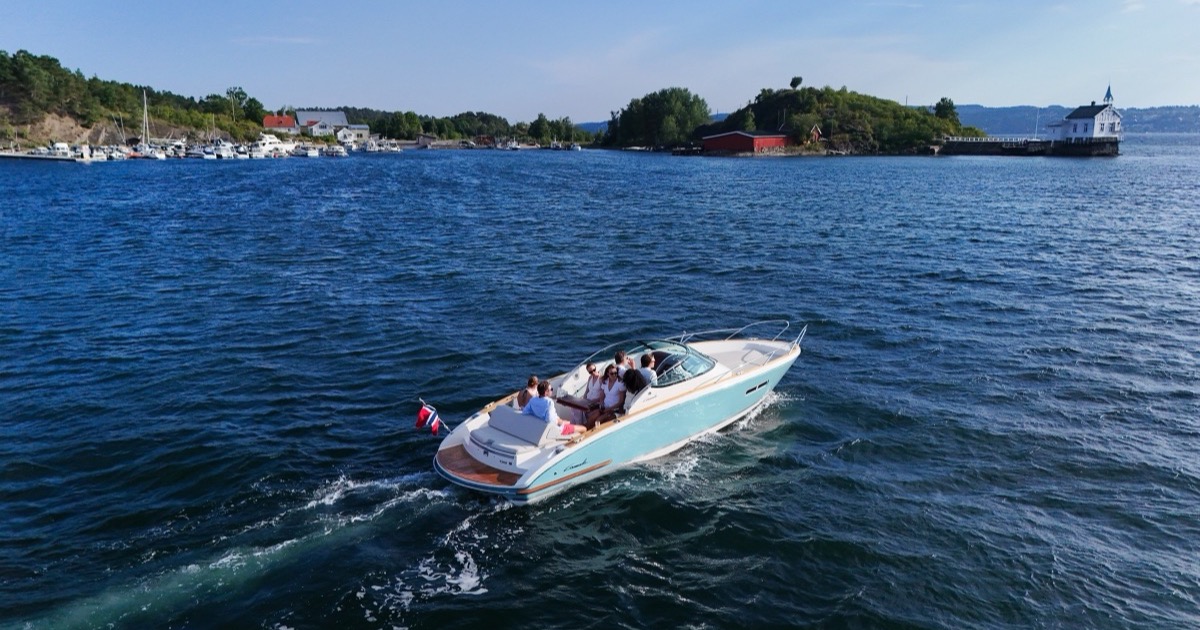
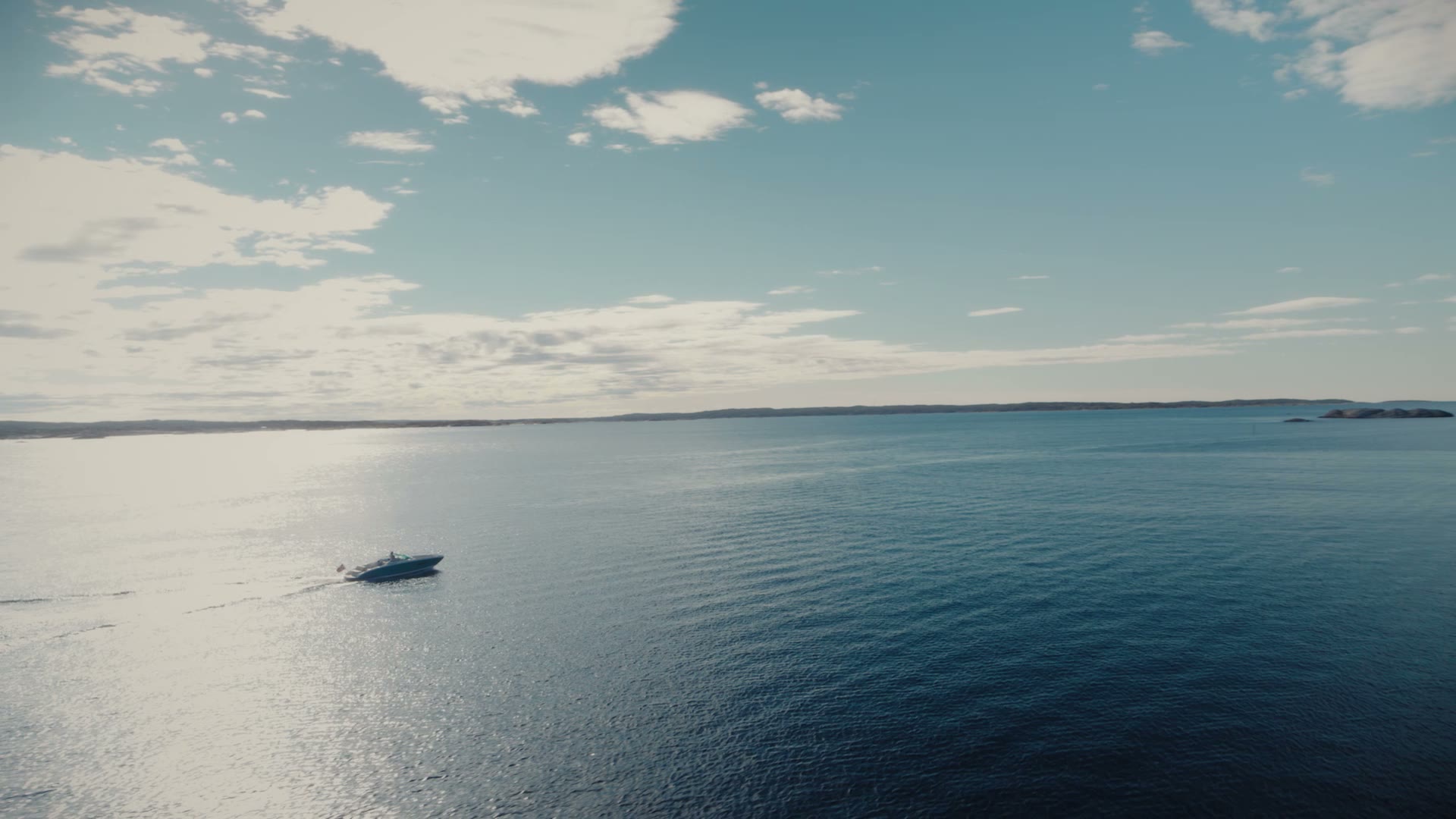
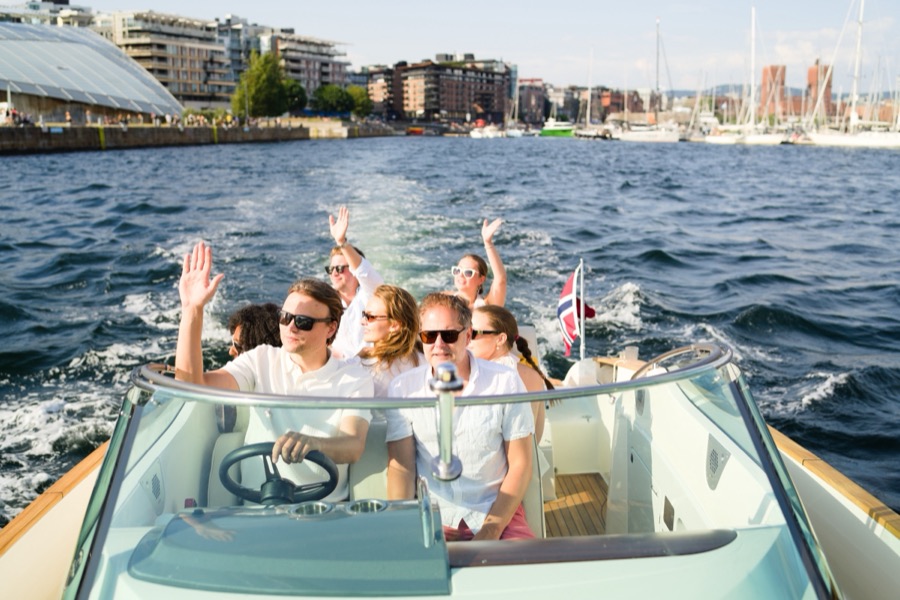
Bygdøy from the water, with the new Museum of the Viking Age behind the shoreline
Why the Viking Ship Museum closed
The old building was wearing out its own collection. Arnstein Arneberg won the architectural competition in 1914, and the halls opened in stages: Oseberg in 1926, Gokstad and Tune in 1932, the entrance hall with the Oseberg finds in 1954. It was built for a few hundred objects and for the visitor numbers of its day. By 2021, vibration, humidity swings and crowd pressure were working on oak that has held its shape since the ninth century.
Jan Bill, professor of archaeology and collection manager for the ships, said it to the last visitors on the final day: "We are not building a new museum just because we can, but because we have to." Then the doors shut and the building joined the site. Arneberg's hall is protected, and it is being rebuilt as the arrival building for a much larger complex.
Where are the Oseberg, Gokstad and Tune ships now?
Inside the new building on Bygdøy, all three of them, moved one at a time after more than ten years of planning.
The Oseberg ship went first, in September 2025. It came out of a mound at the Oseberg farm outside Tønsberg in 1904; tree rings put the ship at around 820 and the burial at 834, and the grave held two women, the younger about 50 to 55 years old, the older around 80 or more. It is the best preserved of the three: about 22 metres of oak, built for both rowing and sailing, sealed for eleven centuries under blue clay.
The Gokstad ship followed on 29 October 2025, and the museum was open about why that day was tense. Gokstad had a rougher excavation than Oseberg, it weighs about a tonne more, it stands on fewer supports, its stem is fragile, and this was the first time the ship had been moved in one piece. The previous move, nearly a hundred years earlier, was done in two. The museum ran the day as a live log: the ship left the old hall at 14:45 and was down on its base at 22:11.
The Tune ship completed the set on 25 February 2026, after a journey of 130 metres and a controlled descent to the floor below. "We knew it would go well, but knowing that all three Viking ships are now safely there is still a relief," said museum director Aud V. Tønnessen. The fragile Oseberg sledges went across in the same programme. The transfer is finished, whatever the guidebooks say.
The three are not the same kind of object. Gokstad is the big one, just over 23 metres with sixteen pairs of oars, the largest preserved Viking ship anywhere, excavated at Sandar near Sandefjord in 1880. Tune is the fragmentary one, dug out at Rolvsøy in Østfold in 1867, and its original length is unsettled: Store norske leksikon reads the surviving timbers as up to 22 metres, while English Wikipedia gives up to 18.7. Both agree on 11 or 12 pairs of oars and a flatter hull than the other two.
When does the Museum of the Viking Age open?
The museum publishes 2027, with the opening planned for the end of the year, and no month. Inside the university the working target is more precise and less certain. Uniforum, the University of Oslo's own paper, reported in February 2026 that the plan is to open on 1 November 2027, "or UiO's dream, as museum director Aud Tønnessen puts it".
The hedging is about money. Around 200 million kroner is still missing. The government cut 250 million kroner of public functions from the project in 2022 on the understanding that external funding could buy them back, and Tønnessen says recovering them has cost roughly three times what the cuts saved. The university has put in about 650 million of its own. The protected Arneberg building still needs walls, roof and windows, at something like 100 million kroner, and the windows are the part Tønnessen is blunt about: if they have to be restored after opening, the museum cannot stay open while that happens.
What opens is a complex of about 13,000 square metres, roughly 5,000 of them exhibition space, three times the floor area of the old museum. AART architects won the competition in 2016 against 111 entries, and construction started in 2023.
Where to see Viking artefacts in Oslo right now
The Historical Museum in the city centre, run by the same institution, holds the VÍKINGR exhibition until December 2026. After that, those objects move to Bygdøy as well.
Read the museum's object list before you plan a morning around it. Conservation ahead of the move has taken several of the headline pieces off display, among them the Langeid sword, two more display swords, a bent sword, two shield bosses and an oval brooch, and the Thor's hammer and cross. The exhibition still runs its three themes of journeys, warriors and a society in change, and the gold and silver carried home from distant shores is still in the cases.
If your group wants ships rather than swords, The Viking Planet in the city centre does the digital version, VR longship included. It is a screen experience and open about being one.
What is open on Bygdøy in 2026
The rest of the museum peninsula never closed. Bygdøy's other collections cover the later chapters of Oslo's maritime history, and three of them sit within a short walk of the closed Viking site.
| Museum | Status summer 2026 | Adult ticket | Summer hours |
|---|---|---|---|
| Viking Ship Museum | Closed since 1 October 2021; reopens as the Museum of the Viking Age, 2027, end of year | – | – |
| Fram Museum | Open (polar ship Fram, Amundsen and Nansen) | 180 NOK (children 70) | 09:30–18:00, May–Sept |
| Kon-Tiki Museum | Open (the 1947 balsa raft and Ra II) | Tickets sold online | 09:30–18:00, June–Aug |
| Norwegian Folk Museum | Open (open-air museum, Gol stave church) | 200 NOK, children 0–17 free | 10:00–17:00, 1 May–4 Oct |
Ticket prices and opening hours in the table are per July 2026 and are set by each museum, so check the museum's own website before you go.
Getting there: the ferry from Rådhusbrygge 3 behind City Hall lands at Dronningen on Bygdøy, and departures are on Ruter. Bus 30 stops at Folkemuseet. The ferry is the better arrival; Bygdøy is one of the stops covered in our guide to the Oslo islands.
The fjord the ships were built for
None of the three ships is from Oslo. Oseberg and Gokstad came out of burial mounds on the Vestfold side of the Oslofjord, Tune from Rolvsøy on the Østfold side, and the ship grave at Borre belongs to the same stretch of water. The three best-preserved Viking ships in the world were dug out of mounds around this one fjord, which is a fair claim on the period even with the halls locked. Vestfold, on the western shore, was among the most powerful of the petty kingdoms before Norway's unification, and it produced the Yngling dynasty that eventually did the unifying. The Viking Age ended in 1066, when Harald Hardrada crossed to England with 240 to 300 longships. Twenty-four came home.
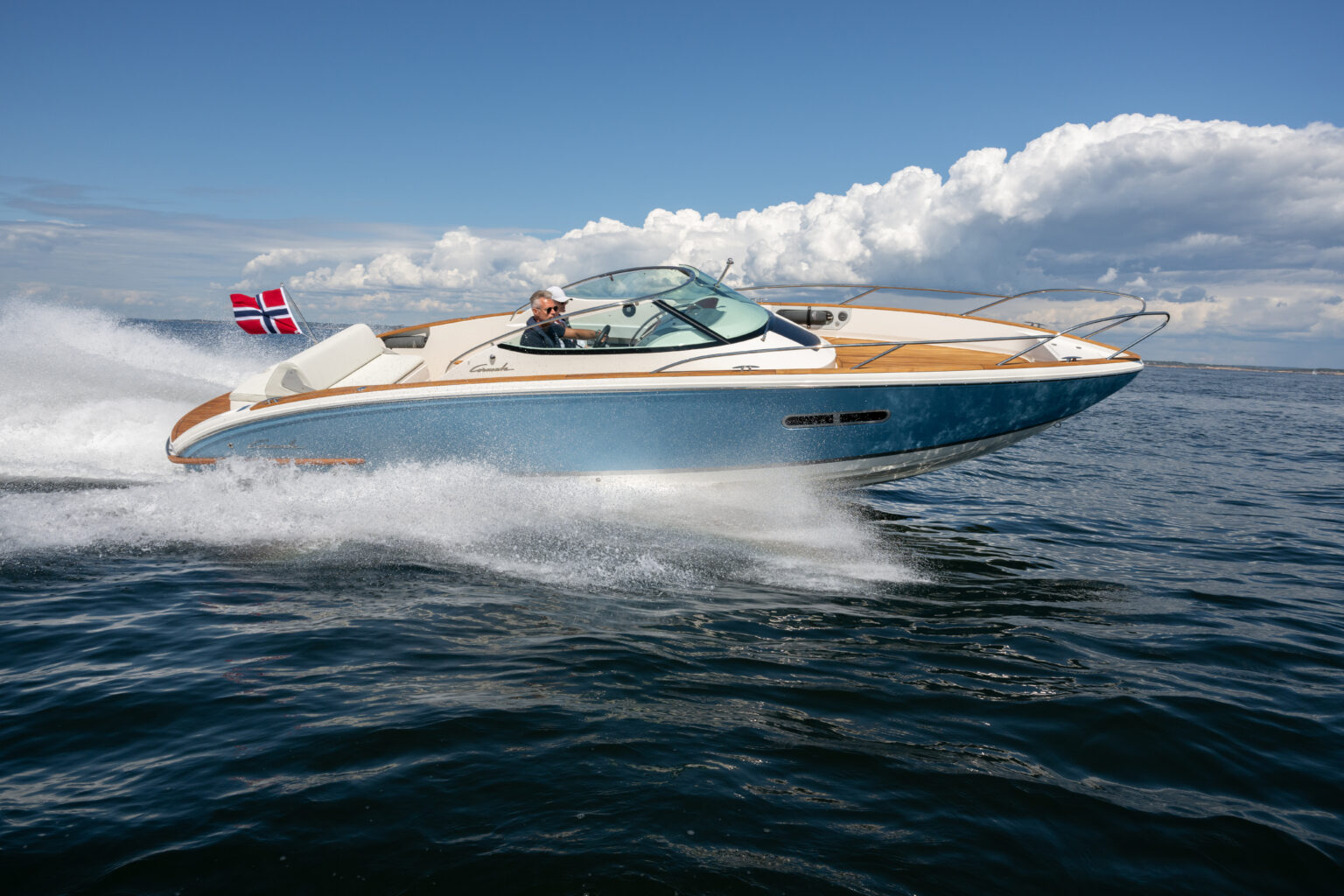
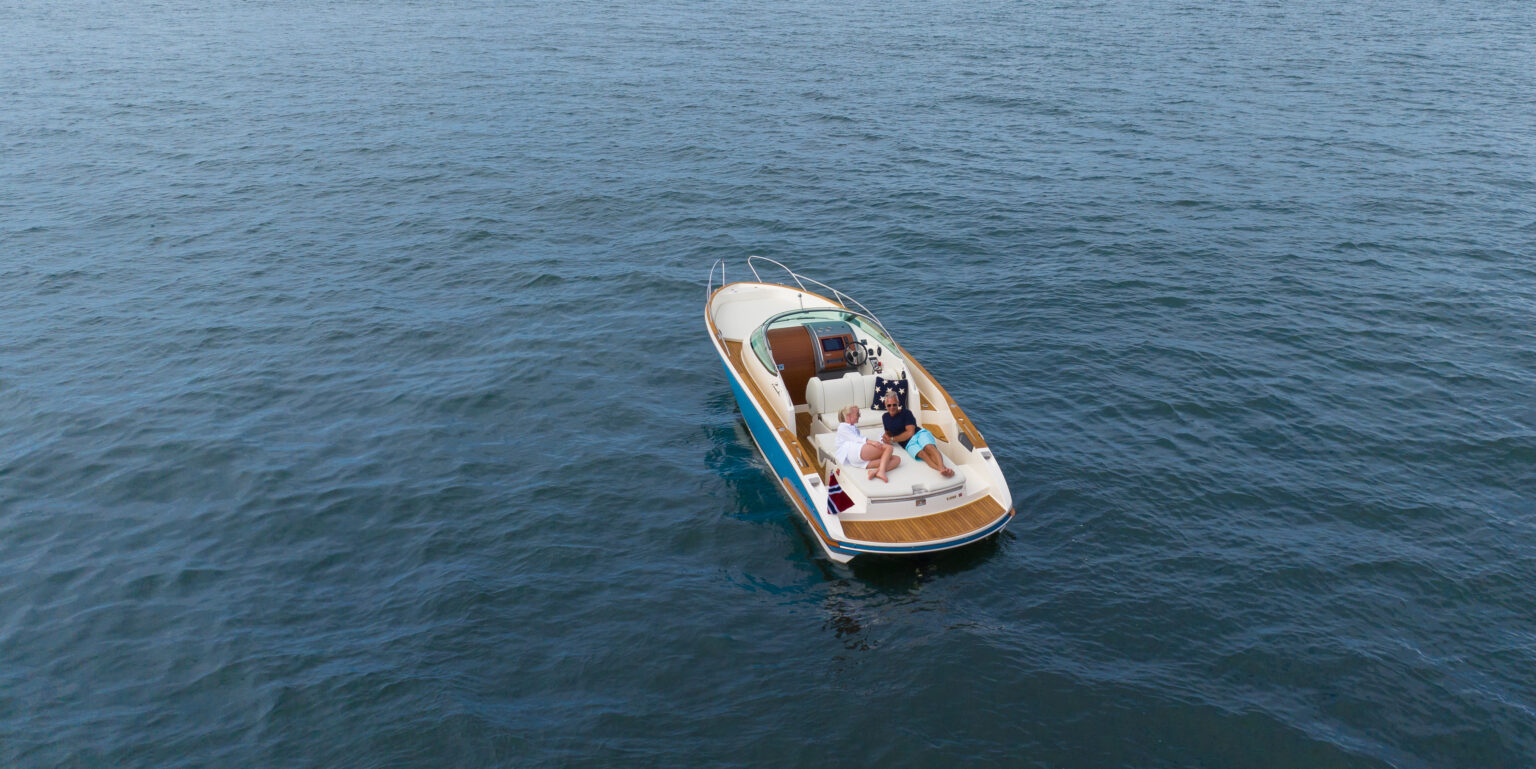
The ships sit in a sealed hall until 2027. The water they were built for starts ten minutes from City Hall and has no opening hours. We run private cruises out of Tjuvholmen and pass Bygdøy on most of them; the route follows the same sheltered lane the longships used. A three-hour private cruise takes up to seven guests and starts at 16,688 NOK for the whole boat, with dates and availability online. It covers the part a museum hall cannot exhibit, which is the seaway itself in whatever weather it is having that day.
Guests ask about the Viking ships on most trips. Until the new museum opens, the honest answer is that all three are sealed inside a hall on Bygdøy, and that the fjord they were built for is right under our hull.
If you are planning a trip around the reopening, leave slack in the itinerary. The museum publishes a year, the university hopes for a date, and the funding for the last pieces is not yet in place.
Museum status, opening dates, ticket prices and hours last checked against the museums' own pages on 30 July 2026.
More from the fjord
Drøbak and Oscarsborg: The Day Trip That Explains Norwegian History
Where the fjord narrows to 500 metres and 1890s guns sank Germany’s newest warship. A complete guide to visiting Drøbak and Oscarsborg Fortress from Oslo.
History & NatureOslo’s Maritime History: A Thousand Years on the Water
From Viking longships to electric ferries, the Oslofjord has been Norway’s most important waterway for a millennium. A history told from the water.
History & NatureOslo Harbor Cleanup: How the City Reclaimed Its Waterfront
Between 2006 and 2008, Oslo dredged 444,000 cubic meters of toxic sediment from its harbor. The result: Sørenga, Tjuvholmen, and a fjord you can swim in again.