Oslo in summer runs on a fact that surprises nearly everyone who lands at Gardermoen: the fjord gets warm. On 22 July 2026 the shallows off Langøyene measured 23.0°C, Huk 21.5°C and Sørenga 21.0°C (Oslo municipality bathing-water readings). Those are swimming temperatures, and the city behaves accordingly. From June to August Oslo turns to face the water: office workers swim at lunch off the Sørenga pier, the island ferries run until past 01:00, and a barbecue lit at eight is still going in full daylight at ten.
For most people who live here, what to do in Oslo in summer is a question about the fjord, and about getting to it, onto it or into it. Take a ferry to an island with a matpakke, the Norwegian packed lunch. Heat up in a floating sauna and drop into the harbour. Swim after work, then hold an utepils on a quay while the evening refuses to end. The museums are open, and good. They are also where everyone else is.
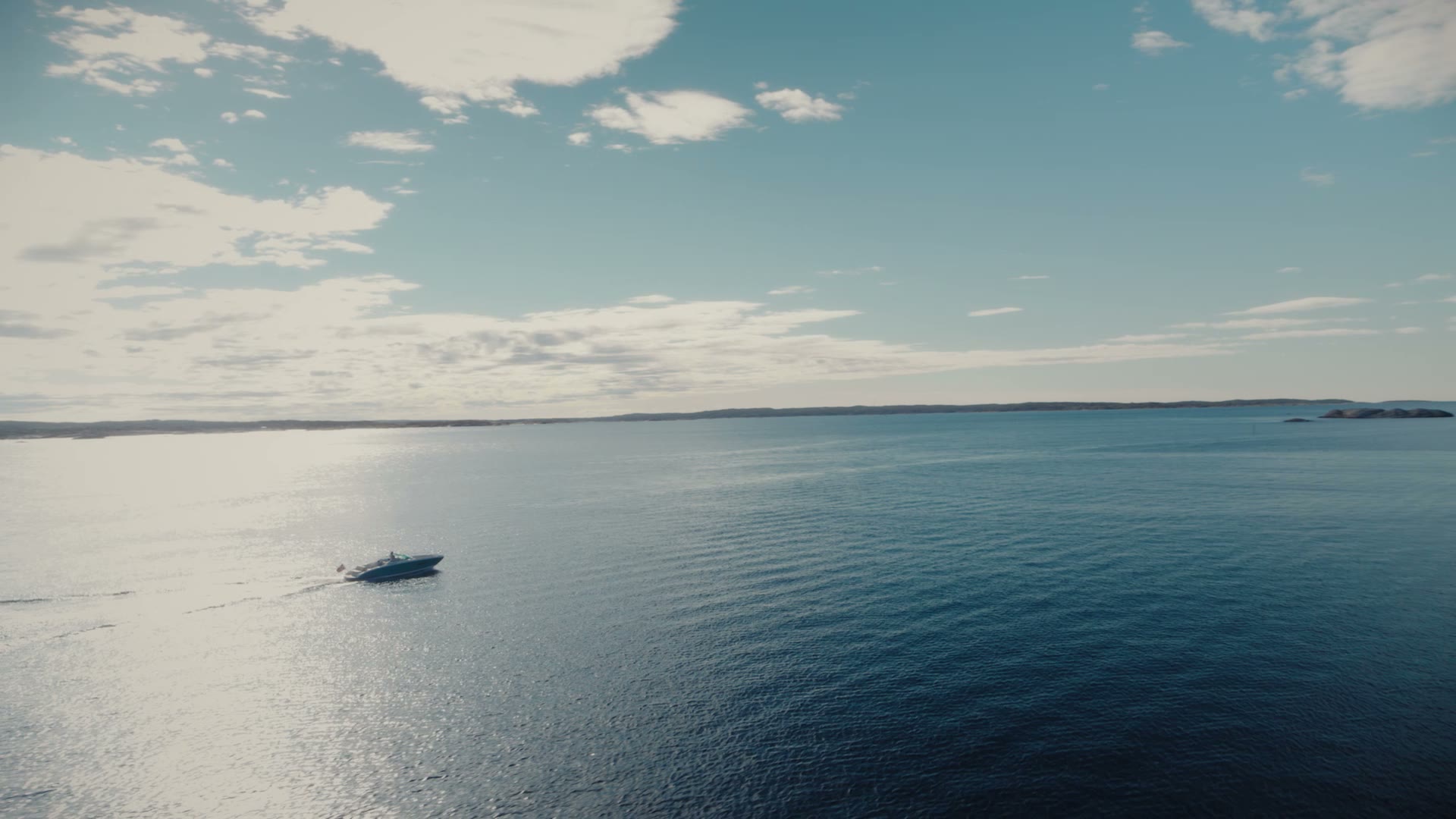
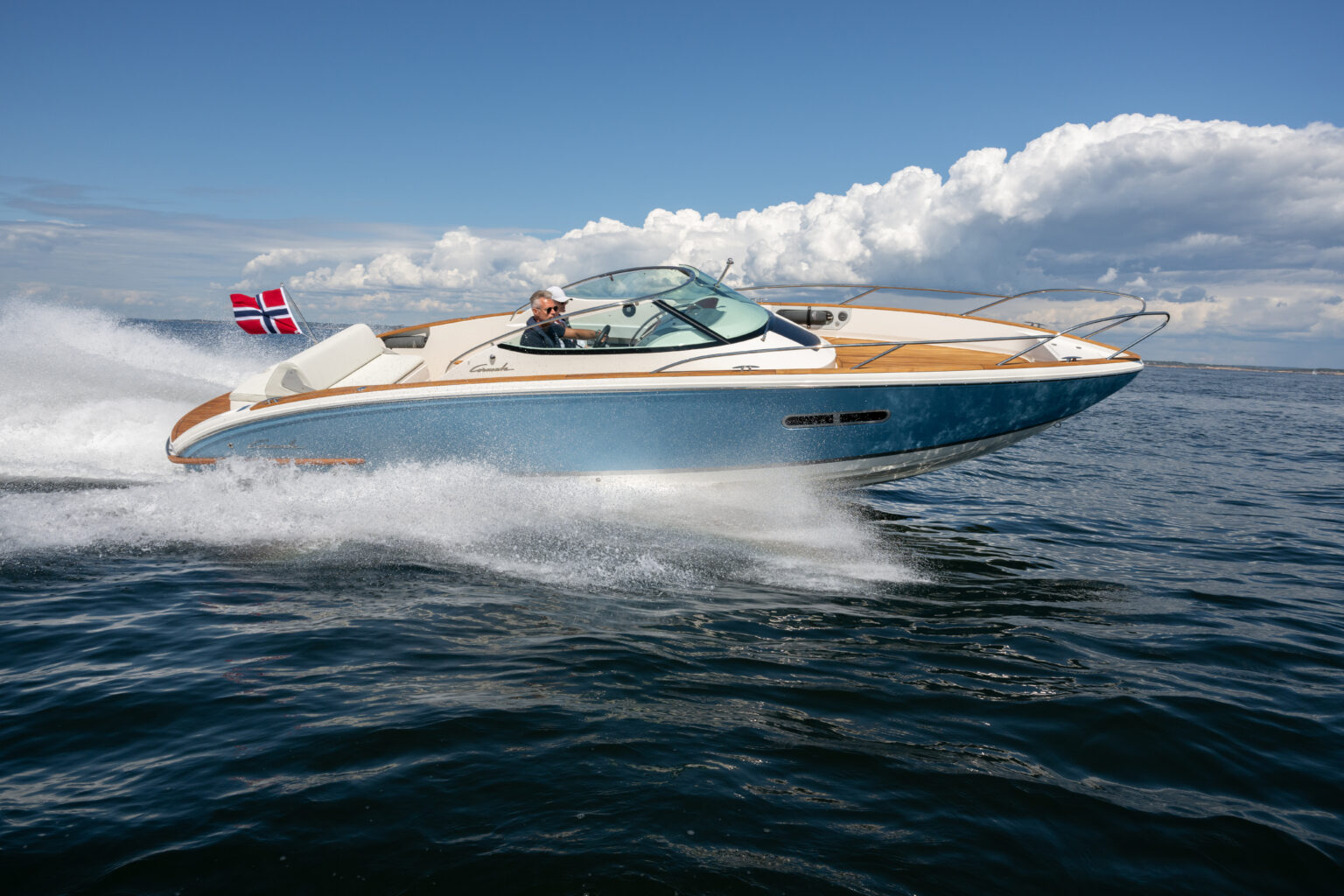
What follows is a summer day in the city, from the promenade in the morning to the light that keeps going after nine. The fjord itself has its own article: summer on the Oslofjord covers water temperatures month by month, the white nights, and what the season looks like from a boat.
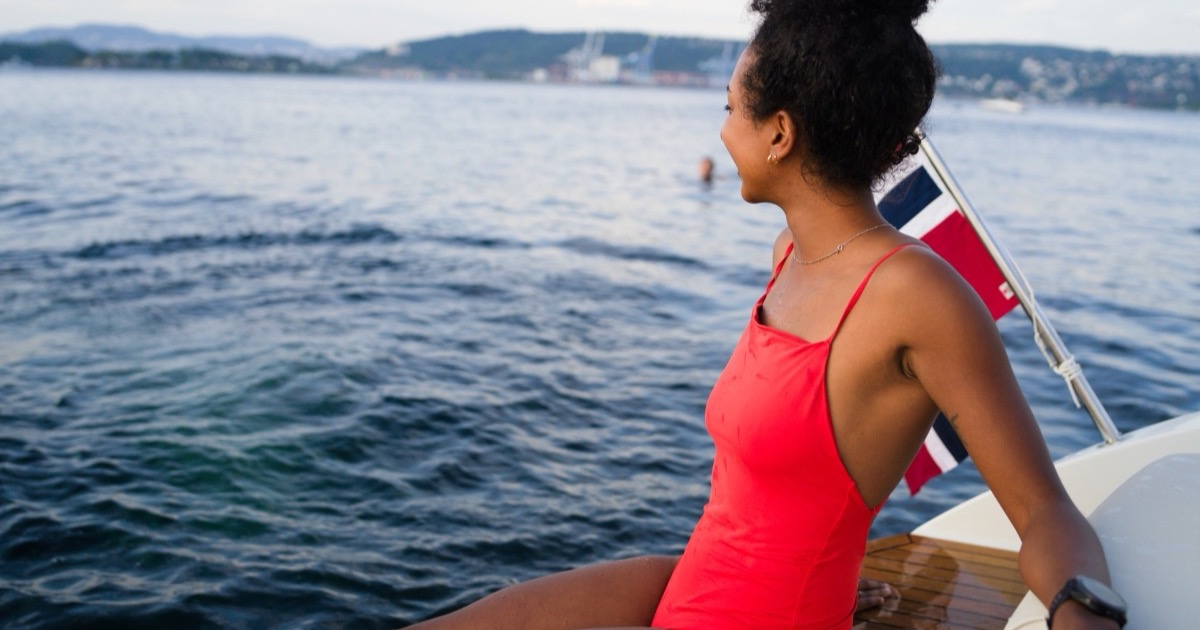
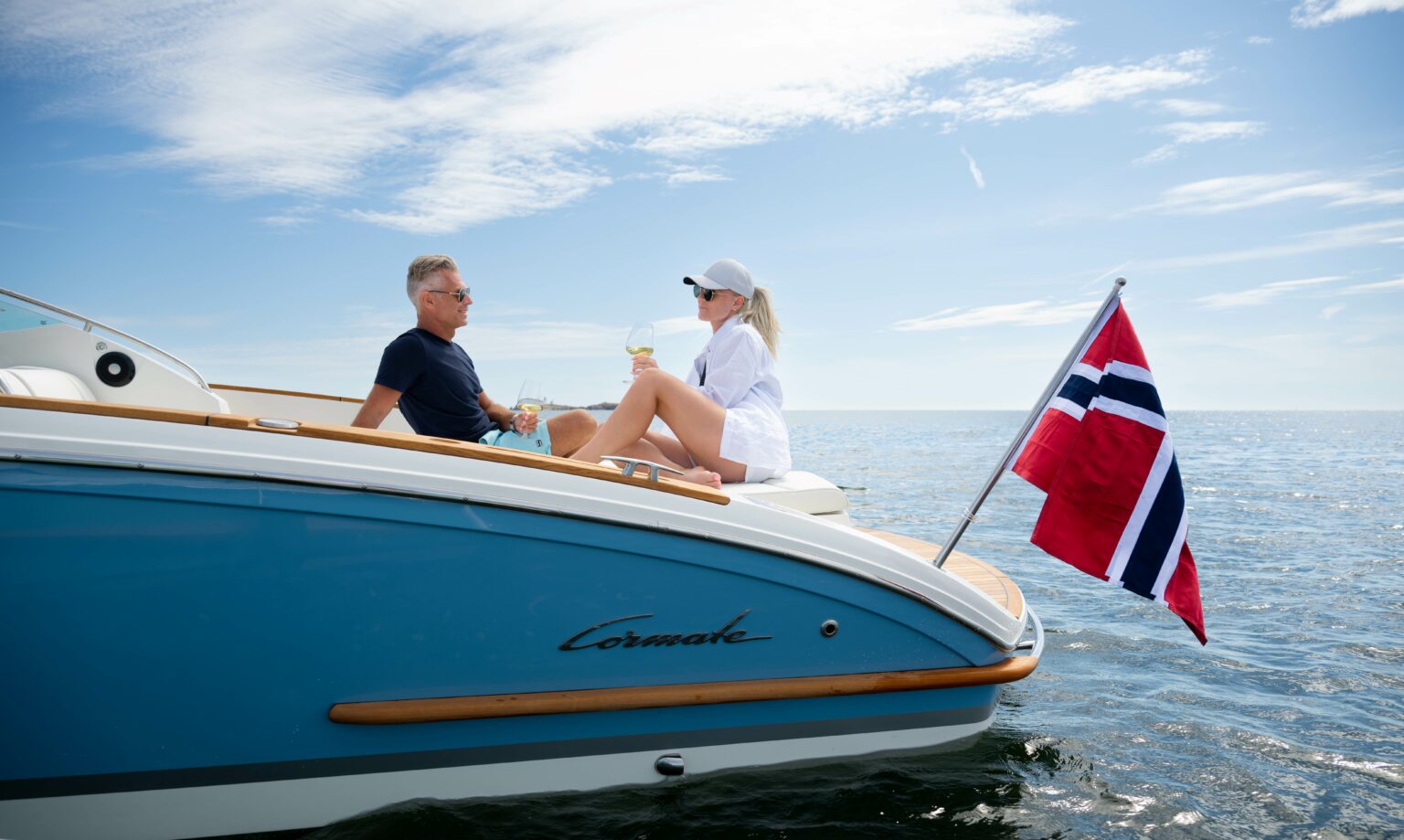
The harbour promenade on a July evening. The fjord is warmer than it looks.
Morning: the promenade is the main street now
Oslo spent two decades moving containers and traffic out of its harbour, and what replaced them is a nine-kilometre promenade running from Sørenga in the east, past the Opera House, Aker Brygge and Tjuvholmen, out to Filipstad in the west. In summer it works as one long public living room, and the morning is the best hour of it. People fish from it, grill on it, and swim off nearly every section of it before the day fills up.
Sørenga is the anchor in the east: a seawater pool, diving boards and wooden decks built into the new neighbourhood, a short walk from the central station, with the Opera House across the water. It fills with office workers at lunch and teenagers around sunset. Further west, Vippa serves food from around the world out of a former harbour warehouse, with strings of lights over the outdoor tables and a view to the islands. It also runs as a social enterprise, using street food to train immigrants and first-time restaurateurs.
Midday: an island ferry for 46 kroner
The best-value thing to do in Oslo in summer costs the same as a bus ride. The island ferries leave from Rådhusbrygge by the City Hall and are ordinary Ruter public transport: a single ticket is around 46 kroner (per July 2026, check current fares at ruter.no), and the 24-hour pass at about 137 kroner covers unlimited island hopping along with every bus, tram and metro in the city. In summer, line B1 runs every 15 to 20 minutes from 05:40 until past 01:00, according to the Ruter boat timetables.
Seven minutes gets you to Hovedøya, where a gravel path leads up to the ruins of a Cistercian monastery founded in 1147 by monks from Kirkstead Abbey in Lincolnshire (lokalhistoriewiki on Hovedøya kloster). Gressholmen is eighteen minutes out and carries the mark of Christiania Skytterlag, the shooting club that opened a range there in 1864 (lokalhistoriewiki on Gressholmen). Its original clubhouse came down in 1930; the restaurant building put up shortly before that now houses Gressholmen Kro, still serving cold drinks with a fjord view. The summer-only B2 takes thirty minutes to Langøyene, which has the best sandy beach in the inner fjord and is the only island where camping is legal: tents only, two nights maximum, free.
One trap catches people out. From 4 July to 30 August, the main B1 line skips Hovedøya and Gressholmen between 10:00 and 21:00; in that window you take the B1X shuttle (every 20 minutes) to Hovedøya, or the B2 (every half hour) to Gressholmen. It is printed in the current Ruter timetable and absent from the heads of most people standing confused on the pier.
Ruter's own line for the hottest days is that the last departure from the islands can fill up, and that they keep sailing until everyone has made it home. The full route, island by island, is in our guide to island hopping with the Ruter ferries.
We have sailed past Hovedøya hundreds of times and there is almost always someone swimming off those rocks, even on days that feel too cold for it.
Afternoon: where the warm water is
The fjord is warmest from mid-July to mid-August, typically 18 to 22°C, with sheltered sandy coves reaching 23 to 24°C. Which cove you pick matters more than which week you come. On 22 July, Langøyene held 23.0°C while Tjuvholmen, over deep water a few kilometres north, held 16.8°C the same afternoon. Shallow water over sand heats up, and deep water off a quay does not. The municipality measures temperature and water quality at the bathing spots along the fjord from June to August and publishes a reading for each one (Oslo municipality, bathing spots and temperatures).
Frognerbadet, the city's outdoor lido by Frogner Park, is out of the picture this summer. It closed for a full rebuild in 2025, stays shut through the 2026 season, and the city's target is to reopen in May 2027 (NRK on the Frognerbadet closure). Until then, an outdoor swim in Oslo means salt water, and where to take it is covered in our guide to swimming in the Oslofjord.
Evening: a sauna raft, then the harbour
At least eight floating-sauna operators now work the inner harbour, KOK, SALT and Oslo Badstuforening among them, clustered around Bjørvika and Langkaia on one side and Aker Brygge and Tjuvholmen on the other. The format is the same everywhere: a wood-fired sauna on a raft, a ladder, and the fjord. You heat up until the cold water starts to sound reasonable, climb down, gasp, climb back up, repeat.
Prices vary more than they should between operators and time slots, roughly 225 to 380 kroner for a session of one and a half to two and a half hours, and Oslo Badstuforening is a member-run collective with cheaper drop-in sessions. Book ahead on warm evenings; the rafts are small and the demand is not. The full picture, operator by operator, is in our article on Oslo's floating saunas.
Afterwards the utepils takes over every west-facing quay, as it has since the first warm Friday in May. An outdoor beer in low evening sun is treated here with a seriousness that surprises visitors from countries where the sun turns up reliably.
After 21:00
Get on the water once while the light is still going. On 1 July the sun sets at 22:41, and the hour before it is why half the city is still outside. Sunset times for every date in the season are on our Oslo sunset times page.
Summer in Oslo, month by month
June is the light. Around midsummer the city gets 18 hours and 50 minutes of daylight, and the sun dips below the horizon around 22:43 only to come back before 04:00. On 23 June, sankthans, bonfires mark midsummer along the whole fjord, and the biggest central one is at Sukkerbiten in Bjørvika, where the sauna association floats a giant wooden bird out in front of the Barcode towers and sets it alight. The water is still warming up in June, so the evenings are the reason to come.
July is the peak. Daytime highs average around 21°C, heatwaves push past 30°C, and the sea hits its warmest stretch from mid-month. It is also when Norway takes its collective holiday: the islands are busy at weekends, the last ferries fill up, and the B1 reroute above is in force. Weekday mornings stay quiet almost everywhere.
August keeps the warmest water into mid-month while the crowds thin as Norwegians go back to work, and the festivals arrive. Oslo Jazzfestival runs 9 to 15 August 2026, and Øyafestivalen, the city's biggest music festival, fills Tøyenparken from 12 to 15 August. Sunset is back to around 21:49 at the start of the month, which gives the city its first real dusk since May and leaves room for a morning swim and an evening concert on the same day.
The fjord without a timetable
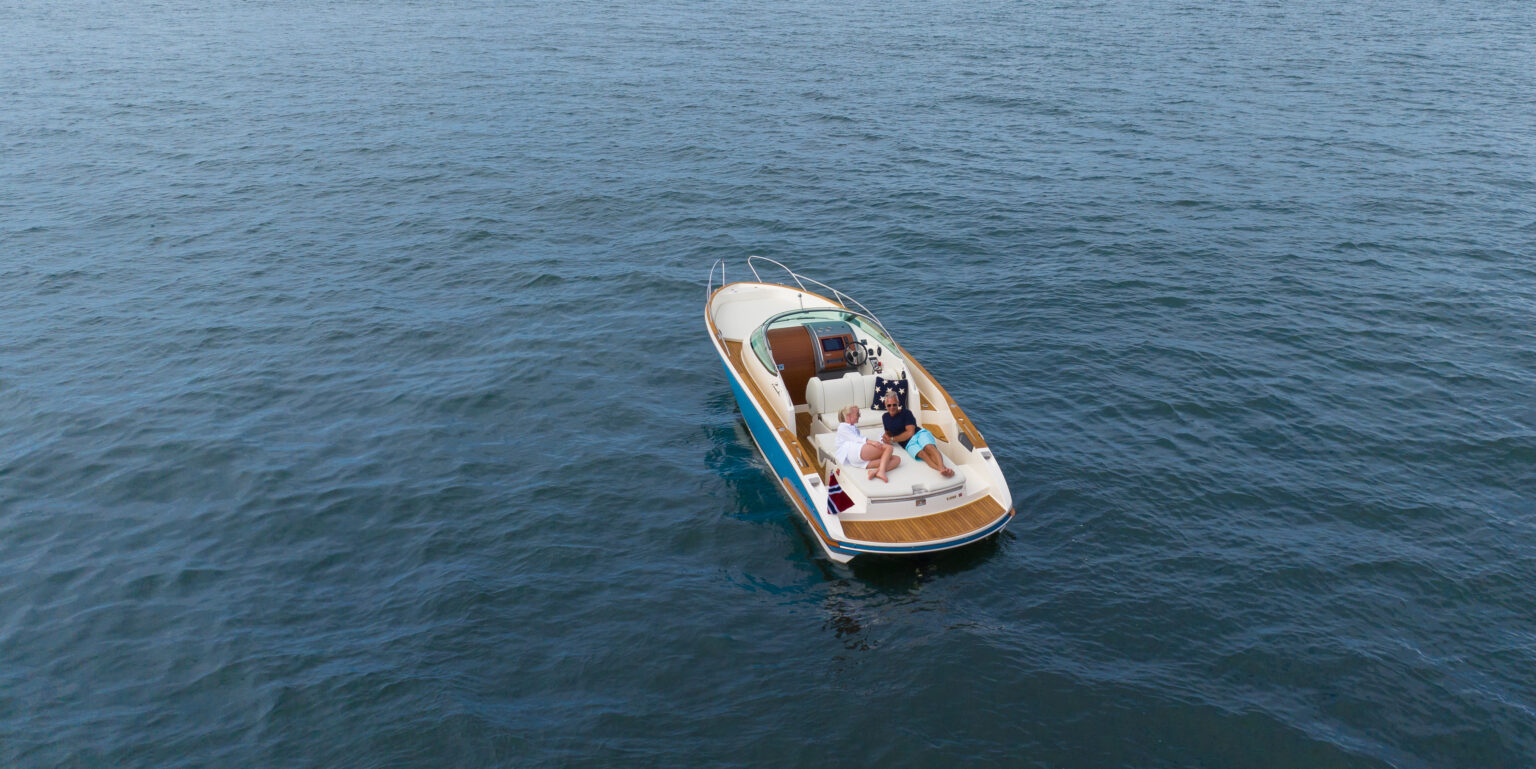
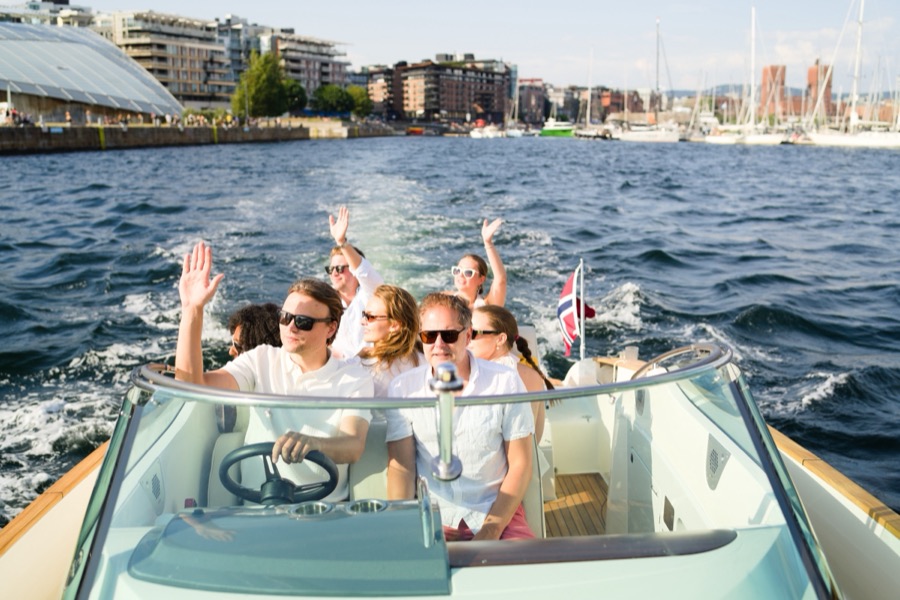
The Ruter ferry is the right choice for one island and a swim, and at 46 kroner it is hard to argue with. What it cannot do is stop at the coves between the islands, anchor while you swim off the back, or carry on south past the ferry routes. That is our job. We run private boat tours from Tjuvholmen daily in summer: the whole boat for up to seven guests, three hours on the fjord, from 16,688 kroner including VAT.
Fares, timetables, water temperatures and festival dates change from season to season. Check current Ruter fares, the Ruter boat timetables and the municipal bathing-water readings before you plan. Last reviewed: July 2026.
More from the fjord
Oslo in Winter: What's Open, What's Worth It, and How Dark It Really Gets
Around six hours of daylight, sledding from the metro, free skating at Spikersuppa and the exact days Oslo closes for Christmas. November to March, honestly.
GuideRain on the Oslofjord: Will the Cruise Still Run?
Rain alone does not stop an Oslofjord cruise. Wind, swell, and lightning do. The weather criteria, when we reschedule, and how the boat handles a wet day.
GuideNorthern Lights on the Oslofjord: An Honest Guide
The Oslofjord sits at 60°N, far south of the auroral zone. You can see the lights from the fjord — once or twice a winter, on KP6+ nights. What that actually means.