One day in Oslo holds four blocks: the harbour on foot, one museum, an afternoon on the water, and dinner where you can still see it. Bygdøy, Vigeland Park and Holmenkollen do not fit on top of that, whatever the twelve-stop lists promise. What follows is the schedule with clock times, walking distances and adult prices, checked against the ticket sellers and the Ruter timetable on 30 July 2026.
We run a private boat out of Tjuvholmen from May to September, which makes for a long summer of watching one-day visitors decide what to cut. They cut the same thing every time. The inner Oslofjord begins at the piers in front of City Hall, and the first island is eight minutes out on a boat your transit ticket already covers.
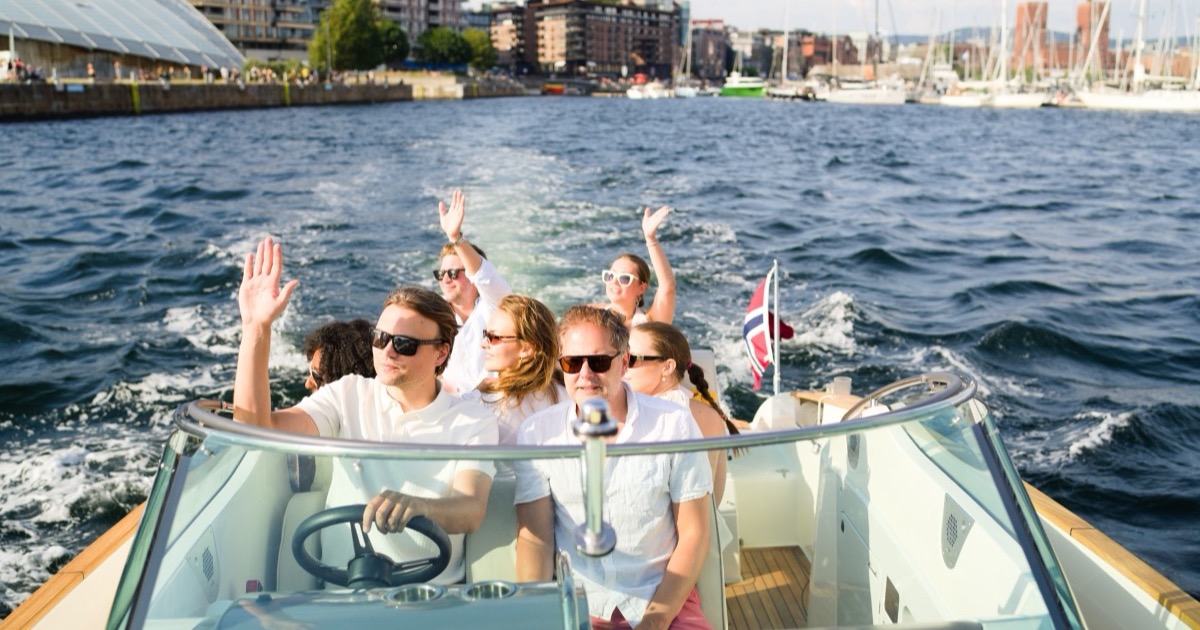
The afternoon block most one-day itineraries leave out
The day at a glance
| Time | Block | Adult cost |
|---|---|---|
| 08:00 | Harbour promenade and Akershus Fortress | Free |
| 10:00 | One museum: MUNCH or the National Museum | 220 or 280 NOK |
| 13:00 | Lunch at Vippa, or one street back from the quay | Menu prices |
| 14:00 | The fjord, by island ferry or private boat | 137 NOK, or from 16,688 NOK for the whole boat |
| 19:00 | Dinner on the waterfront | Menu prices |
Nothing in that list needs a taxi. The walking, at an ordinary pace:
| From | To | Distance | On foot |
|---|---|---|---|
| Aker Brygge | Akershus Fortress | 900 m | 13 min |
| Akershus Fortress | The Opera House | 1.4 km | 19 min |
| The Opera House | MUNCH | 500 m | 7 min |
| Aker Brygge | The National Museum | 500 m | 8 min |
| Akershus Fortress | Vippa | 700 m | 9 min |
| City Hall piers | Tjuvholmen allé 14 | 700 m | 9 min |
08:00 — Coffee, then the harbour on foot
Oslo's waterfront is stitched together by the Havnepromenaden, which the city is building out to more than nine kilometres, from Frognerkilen in the west to the mouth of the Alna in the east (Oslo kommune on the harbour promenade). You will not walk all of it and should not try. The useful stretch is the middle: coffee at Aker Brygge, along the water past City Hall, then up into Akershus Fortress. The grounds are free and the main gate opens at 06:00 (Nasjonale Festningsverk). From the ramparts you look straight down the fjord you will be on by mid-afternoon.
If you want the local version of a morning, pack swimwear. Sørenga, further east along the promenade, has a sea pool and swimming jetties built into the harbour, and a dip before the museums open is an ordinary thing to do in this city.
10:00 — One museum, and the Scream trap
Pick one. Two is possible on paper and a slog in practice.
The choice is between MUNCH and the National Museum, and the trap is which building holds the painting. The painted version of The Scream belongs to the National Museum, not to MUNCH, and what hangs on the walls rotates, so check the museum's own listing before you spend a morning on it.
| Museum | Adult | Under 25 | Under 18 | Open |
|---|---|---|---|---|
| MUNCH | 280 NOK before 18:00, 200 NOK after | 100 NOK | Free | Sun to Tue 10–18, Wed to Sat 10–21 |
| The National Museum | 220 NOK | 100 NOK | Free | 10–17, Tue and Wed to 20:00 |
Prices from MUNCH's ticket page and the National Museum's own listing, both checked 30 July 2026. Two details are worth having: MUNCH is free on Wednesday evenings between 18:00 and 21:00 outside July and August, and the National Museum lists Monday opening from 1 June to 31 August. Outside that window, check the Monday hours before you build a day around them.
Whichever you choose, walk over the Opera House roof on the way. Snøhetta won the competition in 2000, the house opened in 2008, and the sloping surfaces are laid in light Carrara marble and granite from Rennebu (Store norske leksikon). Walking up costs nothing, and MUNCH is seven minutes further along the water, which makes Bjørvika the efficient morning.
13:00 — Lunch without the view tax
The first row of restaurants facing the water at Aker Brygge charges for the view, and our own advice after a decade of feeding crews down here is to go one street back. The cheap answer by the harbour is Vippa, the food hall at Vippetangen below the fortress, nine minutes on foot from the fortress gate.
14:00 — The afternoon on the water
This is the block the other guides skip. There are two ways to do it, at very different prices, and both are worth stating plainly.
The ferry, 137 NOK for the day. The island boats leave from Rådhusbrygge in front of City Hall, which the Ruter app lists as Aker brygge. Between 4 July and 30 August 2026 the two islands worth an afternoon sit on separate lines: B1X runs to Hovedøya every 20 minutes and takes eight, and B2 reaches Gressholmen in 18 minutes and Langøyene in 28, every half hour. The B1 loop, which calls at all five inner islands the rest of the year, skips Hovedøya and Gressholmen between 10:00 and 21:00 inside that window, so a 14:00 departure means B1X or B2 (current boat timetable at ruter.no).
Hovedøya has the ruins of a Cistercian monastery founded in 1147 (Store norske leksikon) and flat rocks to swim from on the western bays; Gressholmen has a kro by the jetty. A 24-hour Ruter ticket costs 137 NOK as of July 2026 and covers every island ferry plus the tram back to the hotel afterwards (current fares at ruter.no). Routes stop by stop are in our island-hopping guide, and there are live ferry times and practical notes for Hovedøya in our island reference. The trade-off is the timetable, and on warm weekends the company of half of Oslo.
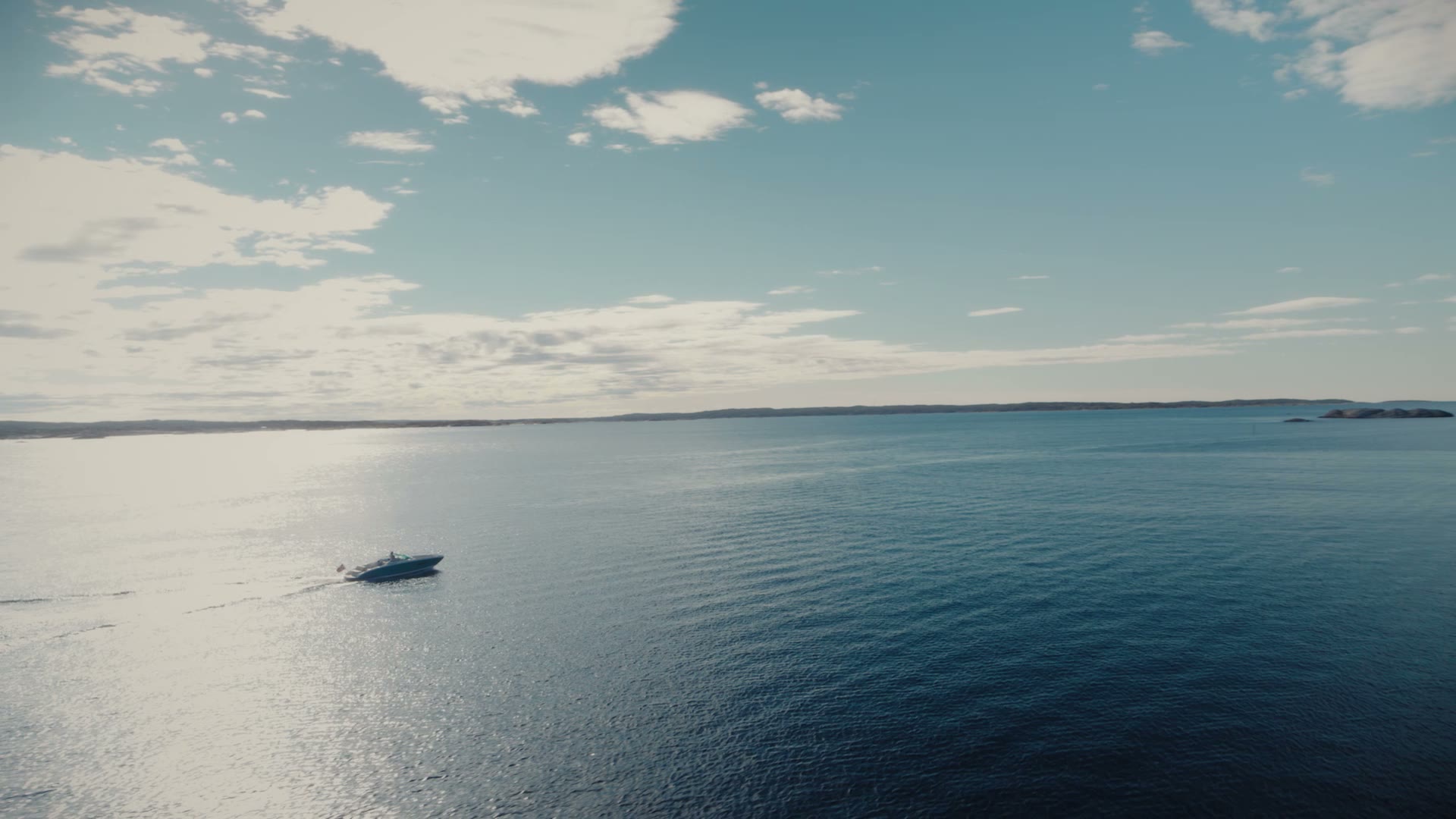
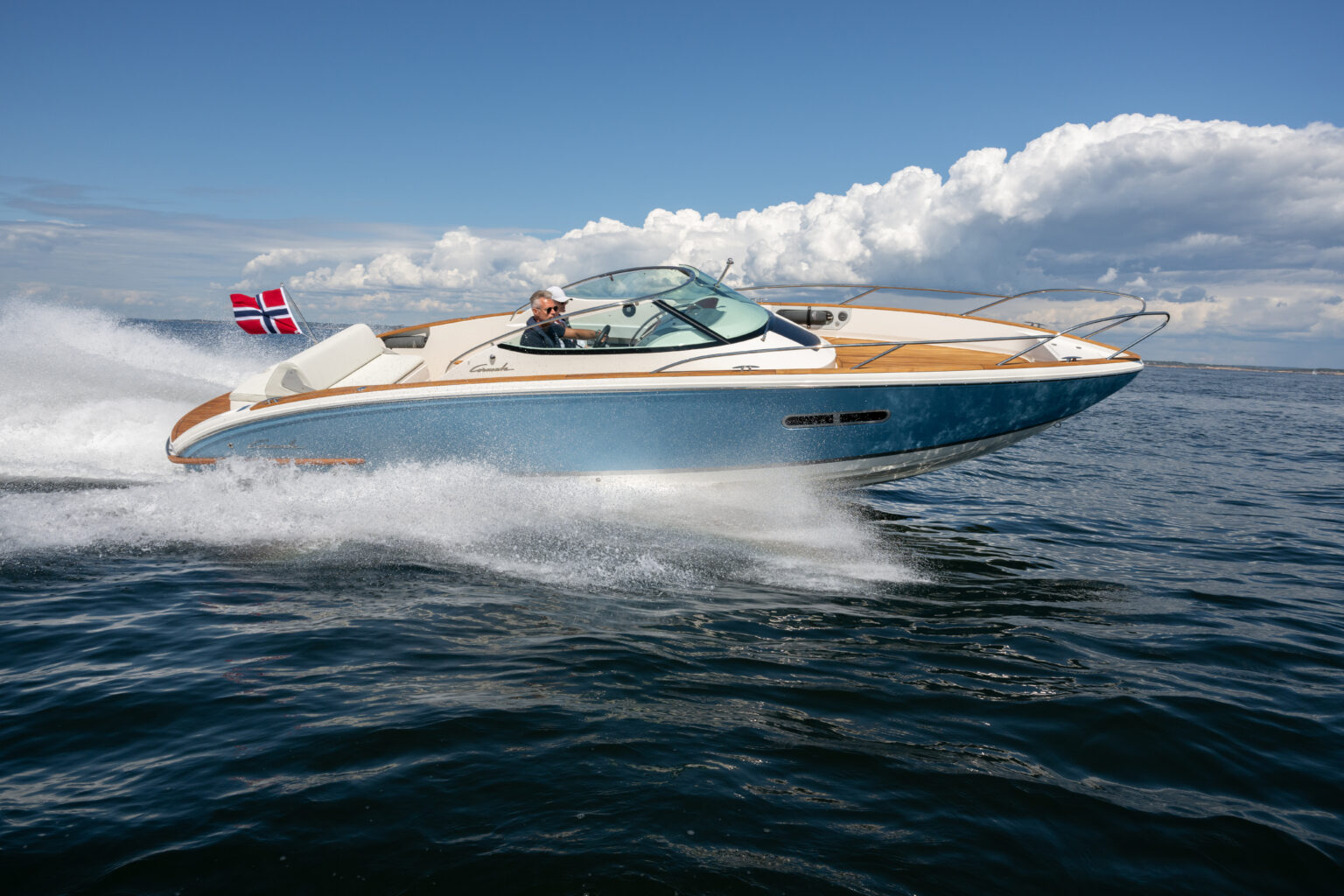
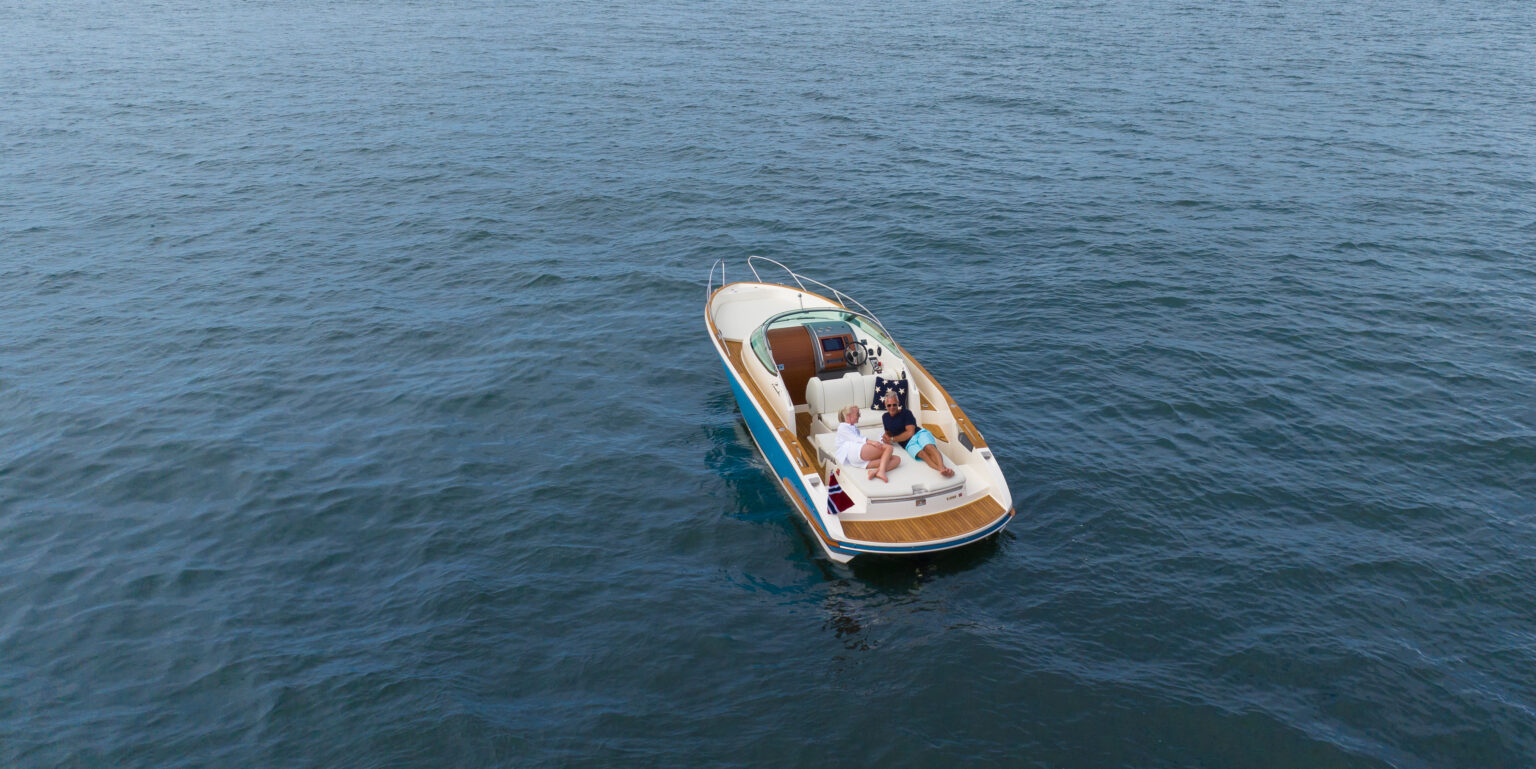
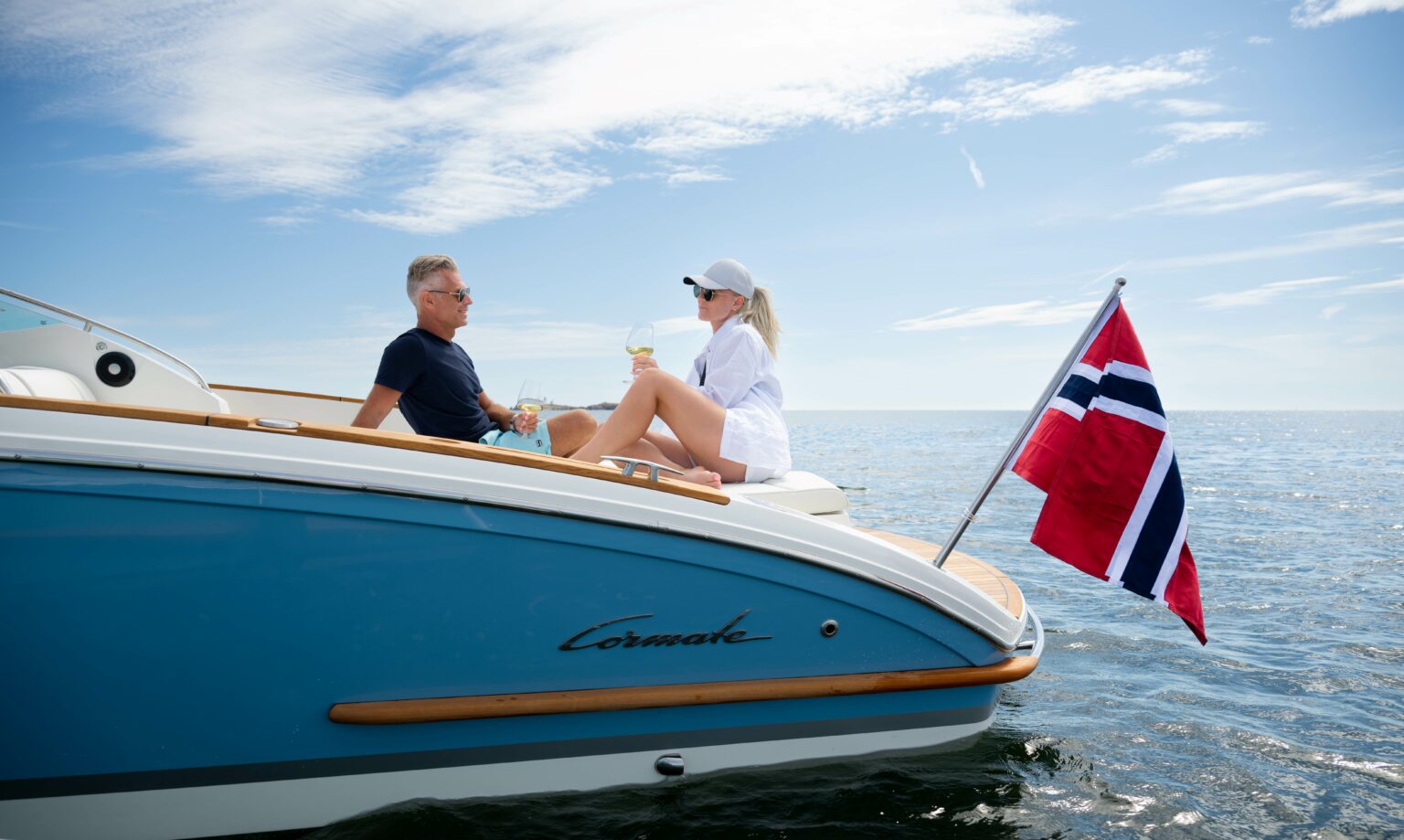
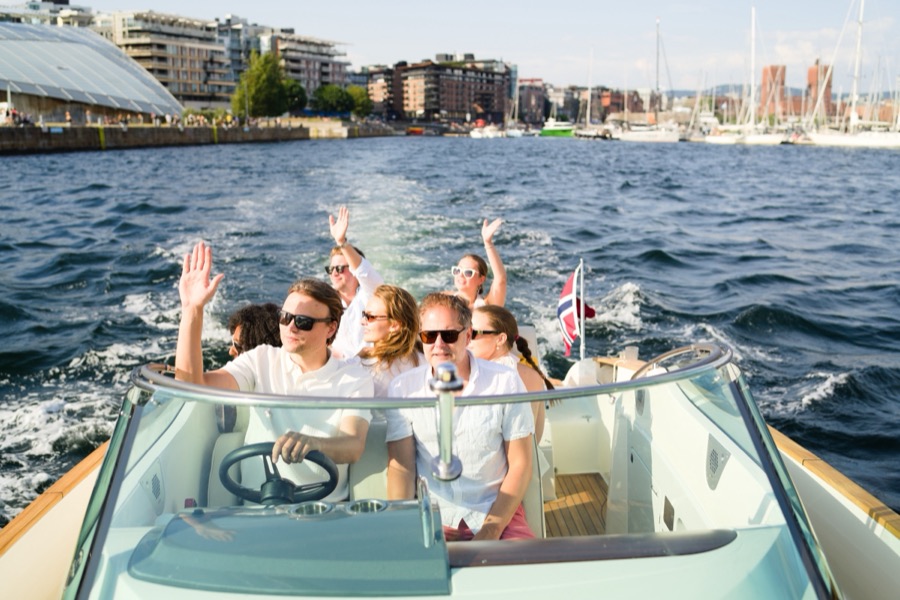
A private boat, from 16,688 NOK for the whole boat. Our three-hour private cruise takes up to seven guests from Tjuvholmen allé 14, nine minutes on foot from the City Hall piers, and goes where the ferries do not: the green-water bay behind Gressholmen, the skerries at Steilene, whichever cove is calm that day. The boat takes one group at a time and is never shared. For many visitors the ferry is the right answer, and we say so. What the boat buys is range and quiet. When the engine cuts in a bay fifteen minutes from the city centre, guests tend to stop talking for a while. Dates are on the booking page.
One scheduling note. On 1 July the sun is up over Oslo from 04:00 to 22:41, eighteen hours and forty-one minutes of it (sun times from the Norwegian Meteorological Institute), and the light on the water after 19:00 is the best of the day. Shifting the fjord block to the evening works well, and the four-hour sunset cruise (20,048 NOK, whole boat) is built for that window, with dinner moved earlier.
19:00 — Dinner by the water
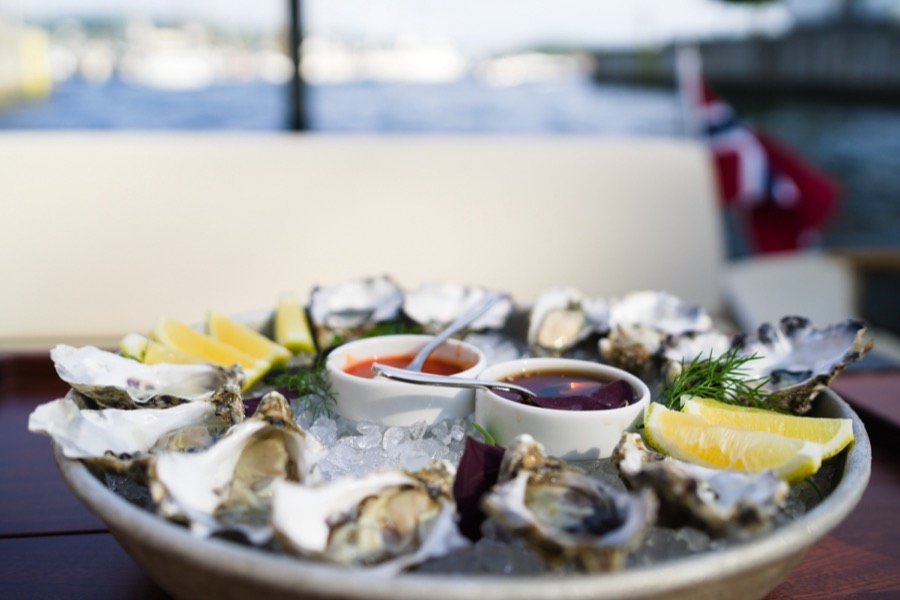
Stay by the water. Lofoten Fiskerestaurant at Aker Brygge does traditional Norwegian seafood, Rorbua in the same row is the cheaper fisherman's-cabin version, and Sjømagasinet on Tjuvholmen is the fine-dining end. Several places along this stretch have their own jetty, so arriving by boat means stepping from deck to table; our dock-and-dine guide maps them.
What one day in Oslo leaves out
Bygdøy. The museum peninsula is half a day on its own, and the Viking Ship Museum, which is what most people want it for, has been closed since 2021 and reopens as the Museum of the Viking Age in 2027 (Museum of the Viking Age). Save the peninsula for a second day.
Vigeland Park. The park is free and open around the clock, so it never formally conflicts with anything, but it sits well away from the water and something has to give. If your flight leaves late tomorrow, it makes a good last morning.
Holmenkollen and Grünerløkka. Both are half-days that belong to a longer visit.
If you arrive by cruise ship
Oslo berths cruise ships in the middle of the city, so the walk ashore is short and which quay you get decides how short. Your ship's port information will name it. Akershus Fortress sits beside the central quays, the Opera House and Karl Johan are both a walk rather than a taxi, and Tjuvholmen, where we depart, is nine minutes on foot from the piers in front of City Hall. A typical call gives you an afternoon to a full day, so budget two to three hours per activity and pick two. The fortress grounds plus the Opera roof fill a short window; a three-hour cruise fits a half day.
If it rains
A serious plan needs a wet version. The museums absorb a rainy morning without complaint, and a wet day is the one case where doing both MUNCH and the National Museum makes sense. The ferries run in all weather, but you ride them for the deck rather than the cabin, and the fjord repays dry skies. Check the Oslo forecast at yr.no over breakfast and put the water block where the dry hours are.
Is the Oslo Pass worth it for one day?
For this itinerary, usually no. The 24-hour pass is 580 NOK for an adult (Oslo Pass prices at VisitOSLO). One museum plus a Ruter day pass comes to 417 NOK, so single tickets win by a clear margin. The pass turns positive when you do two museums and use transport all day: MUNCH at 280, the National Museum at 220 and a day pass at 137 total 637 NOK, and the pass saves you 57. If your day looks like the one above, buy single tickets and keep the difference for dinner.
However the day falls, do not budget the light too tightly. The sun sets at 22:41 on 1 July and still at 21:49 on the last day of the month. Oslo hands a one-day visitor more usable evening than almost any city on the continent, and the water is where it is best spent.
Ferry seasons, timetables, fares and opening hours shift year to year. Everything above was checked on 30 July 2026; the linked sources carry the current version.
More from the fjord
Getting Married at Oslo City Hall, and the Afternoon After
Oslo City Hall marries couples on Wednesdays, Fridays and Saturdays in front of a Munch painting, 30 guests maximum. The paperwork, the costs, and the fjord after.
GuideThings to Do on the Oslofjord: Islands, Saunas, Seals and a War Story
Nine things to do on the Oslofjord: island hopping, swimming, saunas, fishing, seals, the Blücher story and a slow northern sunset. By ferry or private boat.
GuideViking Ship Museum in Oslo: Closed Until 2027, and What to See Instead
The Viking Ship Museum on Bygdøy is closed until November 2027. Where the Oseberg, Gokstad and Tune ships are now, and what to see in Oslo in the meantime.