
There are harbour seals in the Oslofjord. The species is Phoca vitulina, 140 to 155 centimetres long and 67 to 105 kilos. The regular haul-outs are in the outer fjord, around Hvaler, Færder and Bolærne, where the population grew from roughly 600 animals in 2016 to about 1,300 in 2022. Further in, past Drøbak, you get single visiting animals. The best time to look is the moulting season, mid-August to early September.
The outer fjord, where they live
The Institute of Marine Research counts coastal seals every year during the moult, when the animals spend the most time out of the water. The 2022 survey showed clear growth at Hvaler, Færder and Jomfruland. Hvaler alone holds around 300 animals.
Harbour seals want low skerries that dry out at low tide, ideally with some shelter from swell. They eat small fish between 10 and 25 centimetres, usually schooling species, and in the outer Oslofjord Norway pout dominates. Females can reach 36 years, and the oldest known male was 31, according to Store norske leksikon.
Nationally the centre of gravity lies elsewhere. Norway's largest colonies are in Møre, Trøndelag and Nordland. The last full national count, in 2015, recorded 7,552 animals, and the Institute estimates around 10,000 once you correct for the seals that were in the water during the survey.
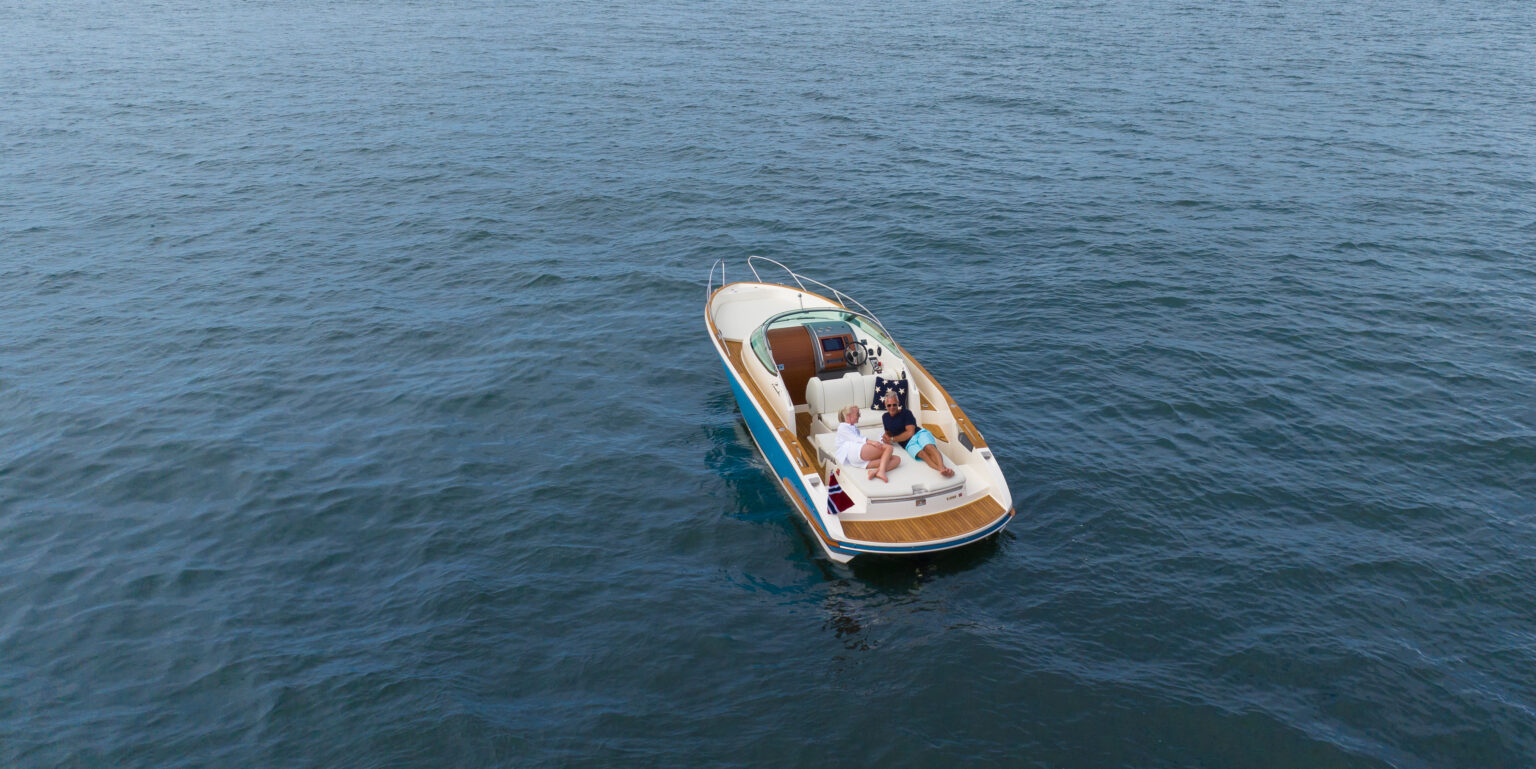
The inner Oslofjord from above, where it starts to open toward the south.
Five seals with names
In 2020 researchers fitted GPS tags to five harbour seals at Østre Bolæren in Færder, an island with several known haul-out ledges. The seals were given names: Einar, Iris, Pedro, Vemund and Karin.
They behaved very differently. Iris and Einar stayed close to favourite spots. Vemund and Pedro moved north. Karin travelled back and forth between Sweden and Bolærne, ending up at Väderöarna off Fjällbacka.
A regional opinion piece in Budstikka summed up the tagging work briefly: the seals use the whole fjord, from Hurum out to Bolærne and the Koster islands.
When they come inland
A seal swimming north from Bolærne has nothing in its way. The Drøbak narrows are open water, and the animals turn up well inside the sill.
At Steilene, south of Nesodden, people see seals from time to time. One of the skerries in the group is called Selskjær, Seal Skerry, and the name still appears in Oslofjordens Friluftsråd's inventory of the islands alongside Rekeskjær, Shrimp Skerry.
They come further in than that. We have had a seal and her pup hauled out at Tjuvholmen, in the middle of the city, a few hundred metres from where we tie up.
We had a seal with her pup at Tjuvholmen, right by the dock. She lay there taking it easy while people walked past on the quay without noticing her. In here you get a single animal, and it usually turns up when nobody is looking for one.
Why the population looks the way it does
Two outbreaks of phocine distemper virus, in 1988 and 2002, "practically wiped out" local populations along the Skagerrak coast, in Store norske leksikon's phrasing. The virus is a relative of measles and hit hardest where the animals hauled out most densely.
A European review published in 2006 put numbers on it: more than 23,000 harbour seals died in 1988, and around 30,000 in 2002. The second wave killed more than the first, from a population that had not finished recovering. Hvaler took fourteen to fifteen years to climb back to its turn-of-the-millennium level.
The rise from 600 to 1,300 animals in the outer Oslofjord is that recovery.
When your odds are best
Mid-August to early September. The seals are moulting and spend much of the day out of the water keeping warm. The Institute of Marine Research schedules its counts for exactly this window, now using drones launched from a support boat.
Pupping runs from mid-June with a peak around midsummer. Pups are born on skerries at low tide and swim almost immediately. If you are in the area then, give the haul-outs extra room. A pup driven into the water loses energy it cannot spare.
Otherwise: low tide, light wind, binoculars. An adult on a flat rock looks like a dark wedge.
Rules worth knowing
Knerten, in the Steilene group, is a bird reserve with a landing ban from 15 April to 15 July. Seabirds nest on open ground there, and one person ashore can flush the whole colony off its nests. Oslofjordens Friluftsråd reports increases in several red-listed species at Steilene. Check current protection dates and boundaries in the Norwegian Environment Agency's Naturbase before planning to go ashore anywhere nearby.
Norwegian law sets no fixed distance for seals. The principle is not to disturb them. If the animals slide into the water as you approach, you were too close. Fifty metres is a sensible minimum, a hundred is better.
Seeing them from the water
From land you will rarely see anything. From the water your odds improve, and going slowly helps more than getting close. A kayak trip with Mad Goats makes little enough noise that an animal may stay put.
By boat, the three-hour cruise reaches Steilene, passes Dyna lighthouse and comes back around Bygdøy. We cut the throttle when we see something and keep our distance. If you want wildlife you can count on, the harbour porpoises are a far more reliable resident of the inner fjord.
Population figures are estimates that shift with each survey, and protection rules can change. Last reviewed July 2026.
More from the fjord
Whale Watching in Oslo: What Actually Swims in the Oslofjord
No whale safaris run from Oslo. What the fjord actually holds: harbour porpoises year-round, seals on the skerries, and the documented whale visits of 2003–2025.
GuideSeabird colonies of the Oslofjord: which skerries, which birds, when to stay away
The inner Oslofjord has 14 seabird reserves with a strict access ban 15 April – 15 July. Which islands matter, and which birds nest there.
GuideWhere Did All the Cod Go? The Collapse of Oslofjord Fish Stocks
The Oslofjord cod population has dropped 80-90%. A timeline of what happened, why the fishing ban exists, and what it means for the fjord's future.
See for yourself
Private Cormate T28 charter on the Oslo Fjord.
Up to seven guests. Fixed pricing. Departures from Tjuvholmen, Oslo.
Check pricing & availability