
Cod fishing has been banned along the Norwegian coast from the Swedish border to Agder since 2019, when the government closed the coastal cod fishery outright in an attempt to rebuild the stock (Store norske leksikon on cod). In the Oslofjord that ban is still in force, and the regulation that carries it now also closes three areas of the fjord to all fishing. Most people planning a fishing trip to Oslo arrive knowing none of this.
The rules that apply today sit in one document: forskrift om regulering av fiske i Oslofjorden, adopted 19 December 2025, in force from 1 January 2026 and running to 31 December 2035 (Lovdata, FOR-2025-12-19-2889). It covers the whole sea area inside the baseline from Telemark to the Swedish border, and it applies to everyone: locals, visitors, commercial boats, divers. What remains legal is narrower than most anglers expect, and the fines in it are real.
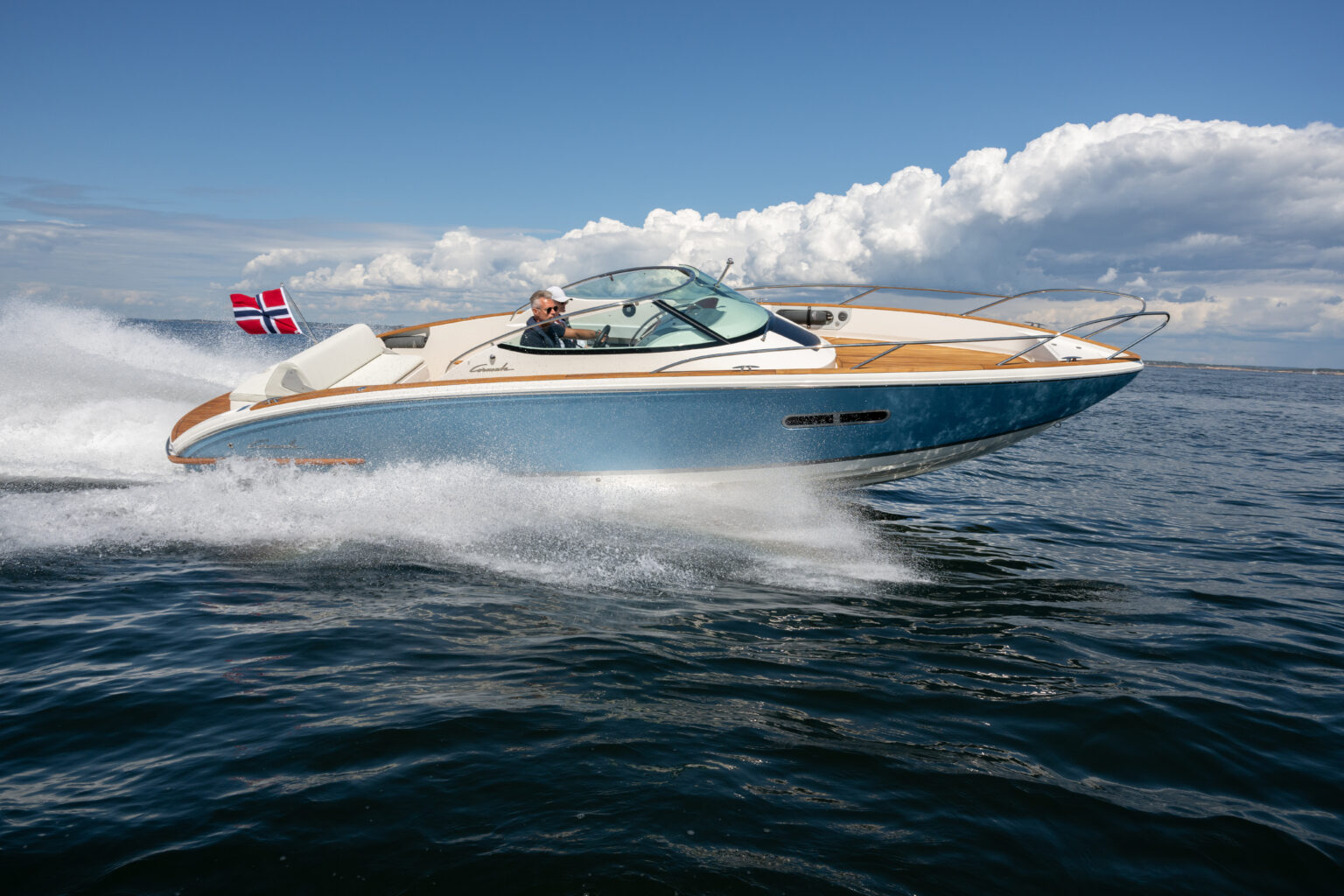
The Oslofjord — where fishing is now tightly regulated to protect cod
What the regulation says, paragraph by paragraph
Every rule below links to the paragraph it comes from. If you only read one section of this article, read this one.
| Rule | Where it applies | Source |
|---|---|---|
| Fishing for cod is forbidden. You may keep a cod only if it comes up as unavoidable bycatch while fishing for another species and it will not survive release. The ban covers spearfishing too. | Everywhere, all year | § 4 |
| All fishing is closed from 1 January to 30 April in the cod spawning fields. | Inner fjord, Frebergsvik, Mossesundet, Sletterhausen, Hvaler, Fossingfjorden, Skåtøysund | § 5 |
| Bottom-set nets, longlines, Danish seine, fyke nets, fish traps and anything else suited to catching bottom fish are banned. | Everywhere, everyone | § 6 |
| Three areas are closed to all fishing and all other harvesting of fish and shellfish, diving included. | Inner fjord, Færder, Hvaler | § 7 |
| Children may fish for crab with a hand line, and anyone may remove Pacific oysters. Both are allowed without further conditions. | Inside the three closed areas | § 8 |
| Recreational fishers may take fish only with a hand line, a rod, or similar hand-held gear. | Everywhere outside the closed areas | § 10 |
| Ten shellfish traps and five lobster traps is the ceiling, counted per person and per boat. Prawn traps are banned. | Everywhere outside the closed areas | § 10 |
| Breaches carry an administrative fine and criminal liability. Attempting and assisting count too. | Everywhere | §§ 12–13 |
Two of those deserve a word of explanation.
The hand-held gear rule (§ 10) is newer than the cod ban. It arrived with the previous version of the regulation on 1 October 2025 and was carried into the current text. If you fished the Oslofjord before that autumn with a net or a set line, that method is gone.
The two exceptions in § 8 were added on 11 May 2026, just over four months after the closed areas took effect. Children crabbing off a dock and the removal of Pacific oysters, an invasive species, are both written into the regulation without any condition attached. You do not need a landowner's permission for either. Removing other alien species inside a closed area does need a dispensation from Fiskeridirektoratet (§ 11).
Fiskeridirektoratet publishes the closed areas as a live map, which is the only version that is guaranteed current. Check the map before you fish: the inner-fjord closure sits minutes from the city, and none of it is marked on the water.
No licence needed. Saltwater fishing with hand-held gear is free to everyone in Norway, residents and visitors alike, under allemannsretten. Rivers are a different matter; salmon and sea-trout rivers require a permit, and anadromous salmonids fall outside this regulation entirely (§ 3).
The zone boundaries move. Fiskeridirektoratet and Lovdata are the live sources. Regulation text last checked: 30 July 2026.
What you can actually catch
Outside the closed areas the fjord still fishes. The table covers what recreational anglers target today, with the Norwegian names you will hear in any tackle shop. Cod is on the list only as the one that goes back.
| Species | Norwegian | Season | Notes |
|---|---|---|---|
| Mackerel | Makrell | June–September | The reliable one. Schools visible from the surface on calm days. |
| Sea trout | Sjøørret | Mar–Oct (peak spring and autumn) | The prestige catch. Rocky shorelines, low light, patience. |
| Saithe | Sei | Year-round | Holds on rocky drop-offs and kelp edges. Fights well on light tackle. |
| Pollack | Lyr | Summer and autumn | Same water as saithe, usually shallower and closer to structure. |
| Crab | Krabbe | Autumn peak | Hand line from a dock is open to children even inside the closed areas. Traps count against the ten-trap ceiling. |
| Lobster | Hummer | Short autumn season | Five traps maximum, per person and per boat. Season dates set separately by Fiskeridirektoratet. |
| Prawns | Reker | CLOSED TO TRAPS | Recreational prawn traps are banned outright under § 10. |
| Cod | Torsk | BANNED | Return it to the water immediately. The bycatch exception in § 4 does not cover rod-caught fish. |
Mackerel, from mid-June to September
Makrell is the species that reliably delivers. Schools of Atlantic mackerel follow the warm surface currents into the fjord from the middle of June and stay through September. On a good day you can see them from the boat as dark flickers just under the surface, moving fast, and a sabiki rig or a single jig dropped through a school produces fish within minutes. They are easy to catch, which is why half the docks in Oslo have someone jigging on a summer evening.
From shore the season means the fish come to you. In the evenings the schools chase baitfish into shallow water, which puts mackerel within casting range of piers, harbour walls and the island rocks. The gear rules are identical from a boat, a pier and a rock: hand-held only.
Mackerel is also very good food, and it does not keep. Norwegians grill them whole over charcoal or smoke them the same day. The flesh is oily and rich, with a flavour that deteriorates faster than almost any other fish once it leaves the water. A mackerel eaten within a couple of hours of being caught has little in common with the vacuum-packed version from a supermarket.
Sea trout, and the homework it takes
Sjøørret is the prestige catch. Sea trout are the anadromous form of brown trout: they hatch in freshwater rivers, migrate to the sea to feed, and return to the rivers to spawn. In the Oslofjord you find them along rocky shorelines, particularly around river mouths and estuaries, feeding on small fish, shrimp and crustaceans in water often less than a metre deep.
Catching them takes effort. Sea trout are wary, easily spooked, and most active in low light at dawn and dusk. Fly fishing and light spinning are the standard approaches. Spring and autumn are the peak seasons, when the fish feed hard before and after their river spawning runs; summer fishing is possible but slower, as the trout move deeper during warm spells.
Some of the inner islands have shorelines a wading angler can work at first light. Hovedøya and Gressholmen both have rocky points that hold fish in the right conditions, and both lie outside the inner-fjord closure. Check the map anyway.
Where to fish
The Oslofjord runs about 100 kilometres from Færder in the south to Oslo at its head (Store norske leksikon), and it does not fish the same along its length. The inner fjord, from Oslo south to Drøbak, is shallower, warmer in summer and more sheltered. The outer fjord, from Drøbak to Færder, is deeper, colder and more exposed.
Inner fjord (Oslo to Drøbak). Summer mackerel fishing is productive from docks, rocky points and boats, outside the closure. Sea trout hold along the island shorelines and near the small river outlets on both sides. Saithe sit on underwater structure: rocky drop-offs, old harbour walls, the edges of the kelp forests. We see anglers on the islands all summer, casting from the rocks into deep water.
Drøbak narrows. Drøbaksundet is the narrowest part of the Oslofjord and forms the boundary between the inner and outer fjord (Store norske leksikon). Strong currents push through and concentrate baitfish, which has traditionally made it productive water. Check the closure boundaries carefully here, because parts of the inner-fjord closure may overlap, and note that the spawning-field ban under § 5 runs from January to the end of April. The Drøbak area is worth a visit beyond fishing anyway.
Outer fjord. Deeper water, bigger fish, more exposure. The areas outside the Færder and Hvaler closures still hold saithe, pollack and mackerel, but the outer fjord asks more of your boat and your weather judgment. A full-day tour passes through some of this water on the way south, and even without a rod aboard you can watch the character of the fjord change beyond the sill.
Guided trips and gear
Guided fishing on the inner Oslofjord has thinned out since the closures took effect. Oslo Fjord Boat Fishing, for years the standard recommendation for visitors, now runs private sightseeing trips instead and states on its own site that it has stopped taking guests fishing because of the ban (checked 30 July 2026). Treat any older listing you find for guided Oslofjord fishing with suspicion, and phone before you book.
Fishing independently is straightforward, since the legal gear is the cheap gear. A telescopic rod and a sabiki rig is the whole kit for summer mackerel, and XXL at Aker Brygge and the local tackle shops stock both. Nothing you can legally use from a pier costs much.
Prawning, and what happened to it
Prawning, rekefiske, was never rod fishing, but it is woven into Norwegian fjord culture and visitors always ask about it. The tradition ran like this: you took a small boat out to deep water, 60 to 100 metres, lowered a pot, waited, then hauled it up and ate the catch on board, peeled and piled on white bread with mayonnaise and lemon. A perfectly respectable way to spend a Saturday afternoon.
For recreational fishers in the Oslofjord that is over. § 10 bans harvesting prawns with traps, without exception, and the ten-trap and five-trap ceilings that remain apply to shellfish and lobster. Commercial prawn and Norway lobster trawling is regulated separately in chapter 3 of the same regulation. Buying prawns off the boat at Rådhusbrygge is still legal, and still excellent.
Why the cod collapsed
Miljødirektoratet, which runs the secretariat for the government's Oslofjord action plan, names three main causes for the state of the fjord: pollution from agriculture, sewage and industry, with too much nitrogen and phosphorus and a load of environmental toxins; long-term overfishing, bottom trawling included, which wrecked life on the seabed; and building along the shoreline, which shut the public out and put more pressure on the ecosystems. The government adopted a five-year action plan in 2021 with 63 technical measures behind it.
Physical geography made all of it worse. The Drøbak sill is a shallow bank that restricts water circulation in the inner Oslofjord, because the water depth in Drøbaksundet is only 19 metres (Store norske leksikon). Deep water in the inner basin can go months without being replenished from outside, and when it stagnates the oxygen at the bottom drops away. The harbour porpoises that hunt the same prey are affected too, though they are mobile enough to follow the fish to better water.
Oslofjord coastal cod matures early, at two or three years old and 30 to 40 centimetres long (Store norske leksikon), which is one reason a closed fishery can in principle rebuild a stock within a decade. Whether this one will is an open question. The regulation runs to 31 December 2035, which is the timescale the authorities have set themselves.
Fishing from shore
You do not need a boat. Long stretches of the Oslofjord coastline are reachable on foot, and shore fishing with a rod is legal outside the closed areas. Rocky points, harbour walls and pier ends all produce fish in season. Mackerel come within casting range in summer evenings. Saithe hold on underwater rock year-round. Sea trout anglers wade the shallows at dawn, casting small flies or spinners along the kelp line.
Good shore spots around Oslo include the rocky coastline along Bygdøy, the piers at Aker Brygge (people do fish here, in the middle of the city), the islands reachable by public ferry, and the Drøbak waterfront further south. On the islands, Hovedøya's western rocks and Gressholmen's southern point both have deep water within a short cast.
If you catch a cod anyway
Unhook it as fast and as gently as you can and put it straight back, with no photographing and no weighing. Survival after release depends on how deep the fish came from, how warm the water is and how long you keep it out, and none of those work in your favour on a summer afternoon. Speed is the only part you control.
The bycatch exception in § 4 exists for commercial fishing for other species, where a dead cod would otherwise be discarded. Assume it does not apply to you.
Can you fish from our boats?
We are not a fishing charter. Our private cruises are built around sightseeing, swimming and the general business of being out on the water, and our tours pass through water where mackerel, sea trout and saithe are present without stopping to fish it. On a full-day tour we cover enough of the fjord to show you the range of marine life still here. If you want to understand the ecosystem these fish live in, that is our territory. If you want a rod in your hands, you are better off on the rocks with a jig. For more answers about visiting the fjord, see our FAQ.
The fjord my grandfather fished
His Oslofjord had plenty of cod in it, nets and traps were legal, and you kept whatever you caught. The current regulation would have read as science fiction to his generation. That same generation also watched the water deteriorate until swimming was discouraged and the bottom of the inner fjord was functionally dead, so the trade is not as one-sided as it looks.
What is left is still worth the trip. Mackerel pulled out of the fjord and grilled within the hour is one of the best things you can eat in Norway. Sea trout along the island rocks at first light is as close to pure angling as this coast offers, and crabbing off a dock with children in autumn costs nothing at all. Put the cod back, keep the gear in your hands, and the rest of the fjord is open to you.
More from the fjord
Hiking in Oslo: The Forest at the End of the Metro Line
Four Nordmarka hikes with official DNT distances, forest lakes you can swim in, blue trail marks explained, and the 2026 metro closure at Sognsvann.
GuideOslo on Foot: Self-Guided Routes and Walking Tours
Four self-guided Oslo walking routes with real distances, how the tip-based free tours actually work, and when a private walk earns its price.
GuideDock and Dine: Restaurants You Can Reach by Boat on the Oslofjord
From Aker Brygge seafood to Drøbak harbor cafés and island taverns with century-old views. Every waterfront restaurant worth a visit on the Oslofjord.
See for yourself
Private Cormate T28 charter on the Oslo Fjord.
Up to seven guests. Fixed pricing. Departures from Tjuvholmen, Oslo.
Check pricing & availability